


Portable Ultrasound Diagnostic Devices: Practical Values in Mobile Medical Care | Sonostar
- 2026-08-04
- 1198
- Guangzhou Sonostar Technologies Co., Limited
With the continuous upgrading of mobile medical services and grassroots healthcare systems worldwide, ultrasound diagnosis is no longer limited to fixed examination rooms. Traditional trolley-mounted ultrasound systems have obvious drawbacks in mobile medical scenarios: bulky structure, strict installation and power supply requirements, slow emergency deployment, high procurement and maintenance costs, which greatly restrict the coverage of ultrasound services in grassroots medical institutions. Portable ultrasound diagnostic devices effectively fill these service gaps with miniaturization, wireless connection and flexible deployment.
As a manufacturer with long-term experience focused on portable ultrasound R&D and production, Sonostar has built a complete product portfolio covering multiple performance grades and diverse probe types. Combined with our years of clinical application experience and mainstream global ultrasound technology standards, this article sorts out the practical value of portable ultrasound devices from three dimensions: traditional equipment limitations, mainstream technical forms, and scenario-adaptive selection suggestions.

Limitations of Traditional Trolley Ultrasound in Mobile Medical Scenarios
Traditional desktop ultrasound equipment relies heavily on dedicated examination rooms and fixed power supply. Its installation and debugging take a long time, and the equipment cannot be relocated flexibly to match real-time medical demands.
For outdoor physical examination, pre-hospital emergency rescue and ward bedside rounds, trolley ultrasound is difficult to transport and deploy rapidly. Delayed ultrasound assessment may miss the golden treatment window for critically ill patients.
The high upfront purchase cost and regular maintenance expense bring heavy financial pressure to small grassroots clinics and mobile medical service stations, limiting the popularization of routine ultrasound screening in remote areas.
Technical Forms & Core Functional Capabilities of Modern Portable Ultrasound Devices
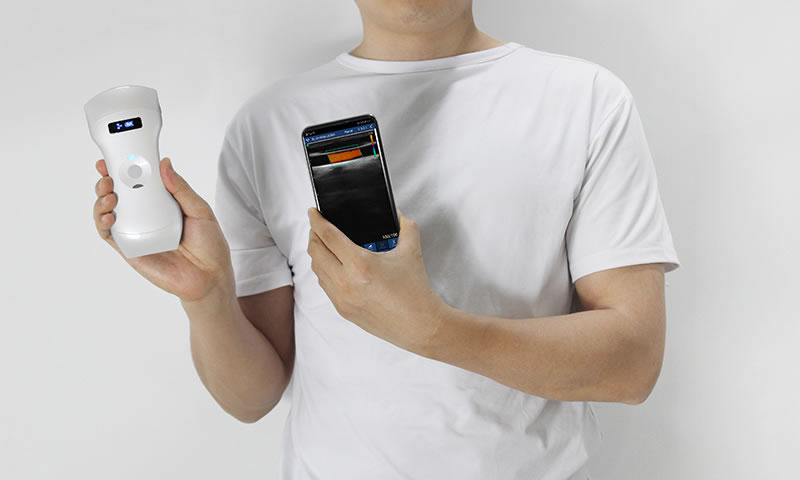
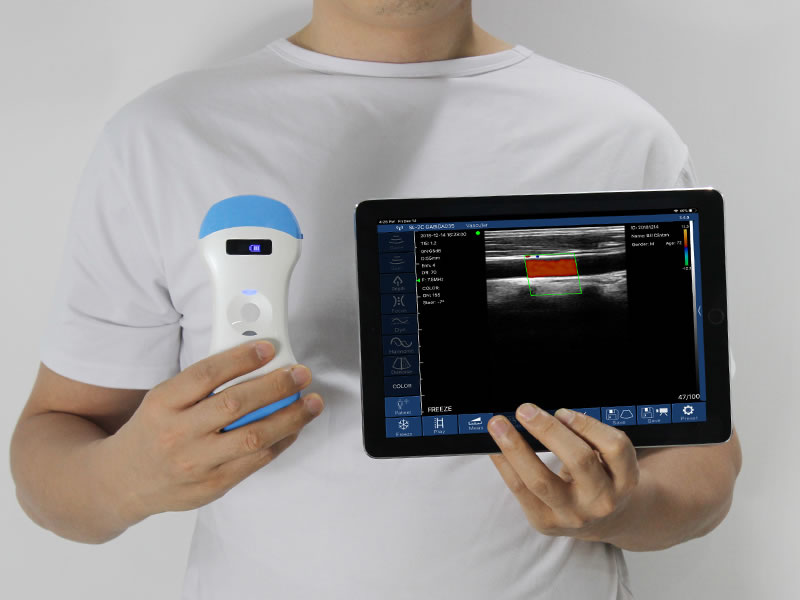
Wireless handheld ultrasound probes have become the mainstream technical form of portable ultrasound diagnostic equipment. Such devices feature ultra-small size and lightweight design, requiring no dedicated examination rooms; they connect to smartphones, tablets and other intelligent terminals to complete real-time imaging and diagnosis directly.
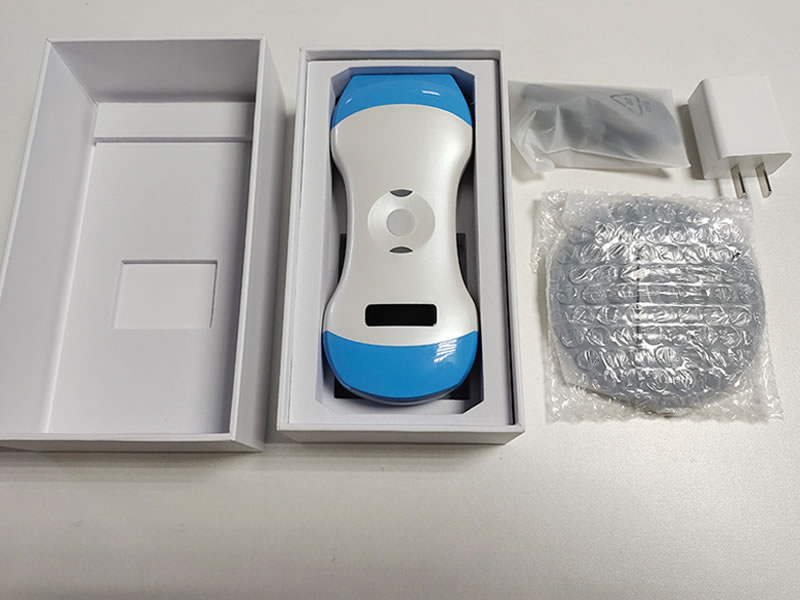
Sonostar’s full lineup of portable ultrasound products includes single-probe, dual-probe and three-in-one integrated configurations, covering demand from basic routine physical examination to high-precision specialized clinical diagnosis.

Imaging Functions: Ranging from basic B-mode grayscale ultrasound to color Doppler imaging; high-end models support 4D stereoscopic imaging and magnetic navigation guidance for precise interventional guidance.
Probe Types: Convex array, linear array, ultra-high-frequency linear array, phased array and intracavitary probes are available, supporting routine examinations of abdomen, gynecology, blood vessels, urinary system, musculoskeletal and other departments.
Scenario Matching Guide for Portable Ultrasound Diagnostic Devices
Different medical scenarios have differentiated requirements for portable ultrasound devices; targeted configuration selection can balance diagnostic effect and procurement cost reasonably:
Primary Public Health General Screening
Basic single-probe or dual-probe portable ultrasound is the preferred choice, which fully meets abdominal and gynecological routine screening demands, and effectively controls the overall equipment investment of grassroots medical organizations.
Emergency Rescue & Ward Bedside Examination
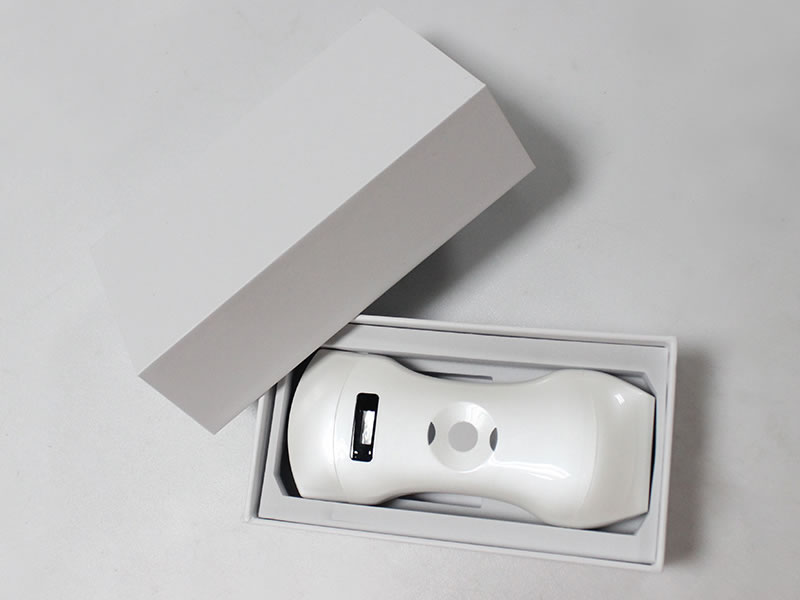
Devices with fast boot speed and lightweight body are prioritized. Quick terminal connection shortens preparation time, significantly improving the evaluation efficiency of trauma, acute abdominal disease and other emergency conditions.
Long-term Outbound Consultation & Field Medical Operations
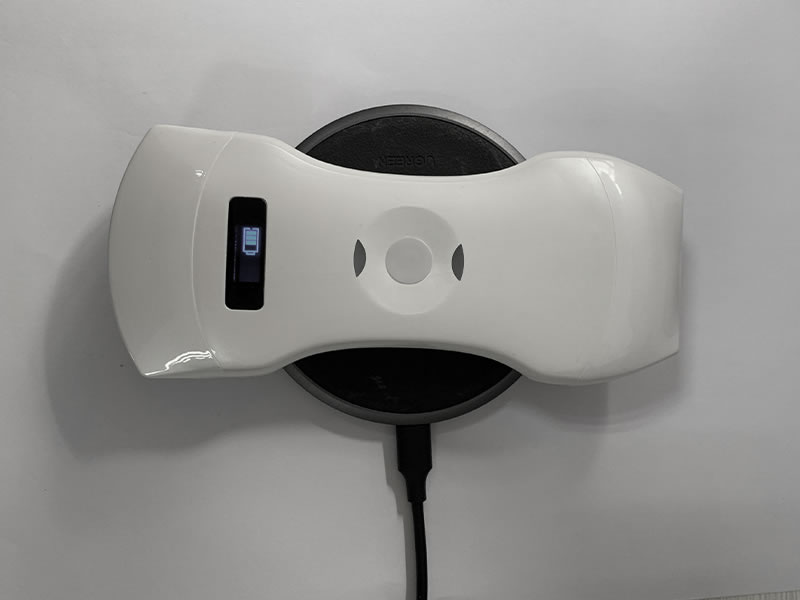
Long-endurance portable models with replaceable batteries are recommended. Replaceable spare batteries guarantee continuous stable operation in environments without external power access.
Specialized Mobile Diagnosis
Select professional matched probes according to specific disciplines: ultra-high-frequency linear probes for blood vessel and musculoskeletal inspection, biplane probes for urological diagnosis.
Frequently Asked Questions
Q1: Do grassroots health centers need to equip portable ultrasound diagnostic devices?
A1: Grassroots institutions with regular outbound physical examination, home medical consultation or bedside diagnosis demands are suitable for portable ultrasound deployment. Portable ultrasound complements fixed trolley equipment, expands service coverage, and makes up for the shortage of on-site ultrasound diagnosis capacity.
Q2: Can the battery life of portable ultrasound devices support all-day outbound diagnosis?
A2: Standard mainstream portable ultrasound devices support several hours of continuous imaging work with built-in batteries. High-end configurable models adopt replaceable battery design; spare batteries can extend working hours to meet long-time outdoor medical tasks.
Conclusion
Portable ultrasound diagnostic devices are the core carrier for extending ultrasound diagnosis to mobile medical scenarios. They are not designed to replace traditional trolley ultrasound equipment, but to make up for the blank of ultrasound diagnosis in non-fixed medical scenes. Medical institutions can select matched portable ultrasound configurations according to their service scope, clinical orientation and actual usage scenarios.




 Home
Home Product
 News
News Contact