


Handheld Ultrasound for Primary Care and Bedside Use
- 2026-08-27
- 1194
- Guangzhou Sonostar Technologies Co., Limited
Portability and miniaturization represent core technological development directions in the medical ultrasound equipment sector. Conventional large-scale color Doppler ultrasound systems rely on dedicated examination room setups with limited mobility, making it difficult to cover rapid examination demands across multiple scenarios such as primary care delivery, bedside emergency care and outdoor medical outreach. Primary care facilities also often face barriers to deploying professional ultrasound equipment due to cost and space constraints. Handheld ultrasound devices, with their compact form factor and portability, provide a viable technical solution for multi-scenario ultrasound examinations, and are reshaping the landscape of bedside point-of-care ultrasound (POCUS) and primary care imaging services.
1.Industry Trend: Ultrasound Imaging Shifts From Fixed Rooms to Portable Scenarios
Traditional ultrasound diagnosis is highly dependent on large trolley-mounted systems and dedicated examination rooms, with a limited service radius that struggles to meet immediate examination demands at the bedside, pre-hospital settings and primary care outreach locations. With the popularization of the POCUS concept, clinical demand for portable imaging is growing rapidly: emergency departments require rapid bedside screening, primary care needs outreach screening services, and public health programs require mobile physical examinations — all raising new requirements for the size, deployment speed and operational accessibility of ultrasound equipment.

2. Two Common Technical Pain Points for Handheld Ultrasound Deployment
The balance between device miniaturization and imaging performance represents a widespread technical challenge across the industry. Traditional ultrasound systems rely on large-format hardware arrays to achieve high channel counts and high-resolution imaging. When compressed to handheld dimensions, they are highly prone to issues such as signal attenuation, insufficient resolution and limited probe variety. Many portable devices can only perform rough screening and fail to deliver diagnostic-grade image quality. Meanwhile, different examination scenarios impose varied requirements for probe type, imaging depth and response speed, making it difficult for miniaturized devices to balance multi-scenario adaptability and imaging quality, or to cover multi-department application needs.

3. Proven Implementation Path: Highly Integrated Hardware + Scenario-Based Functional Design
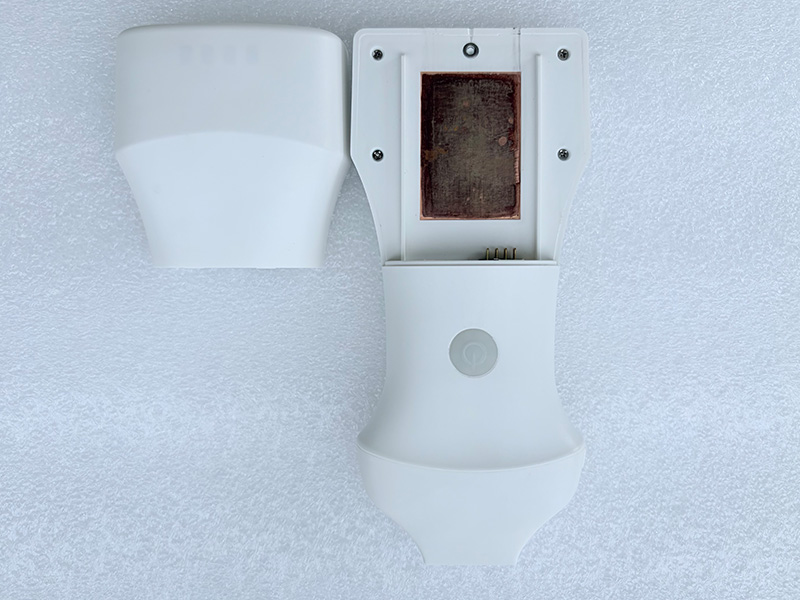
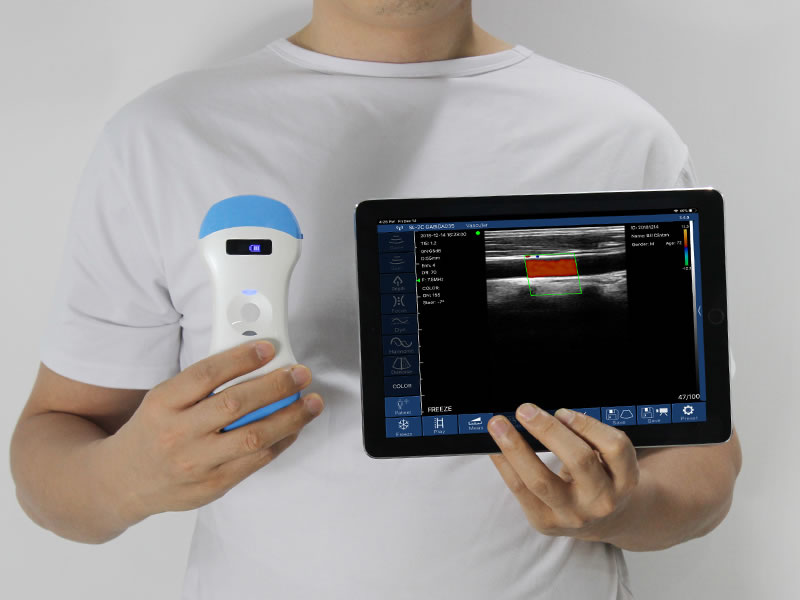
New-generation handheld ultrasound devices adopt highly integrated signal processing units, enabling multi-channel imaging processing within a compact form factor. Paired with wireless probe designs, they support multiple probe types including convex array, linear array and specialty probes, covering examinations of the abdomen, cardiovascular system, urinary system and superficial tissues, with imaging accuracy meeting clinical diagnostic requirements.
4. Clinical Application Value Across Four Core Scenarios
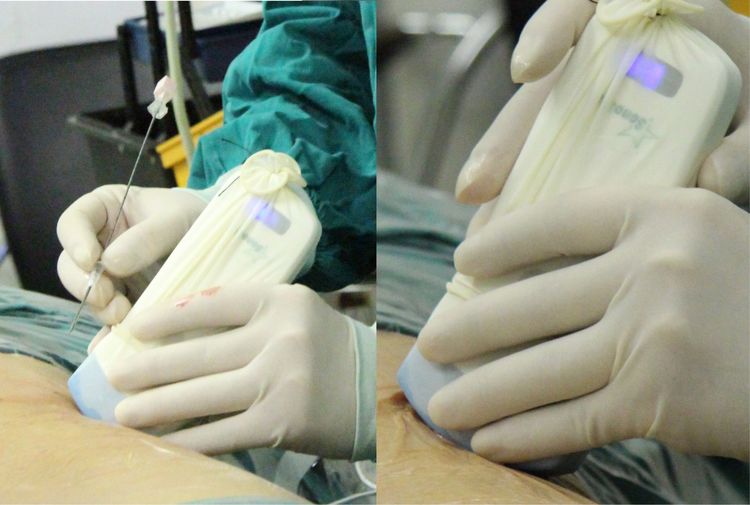
When deployed in specific clinical settings, handheld ultrasound delivers value in four key areas:
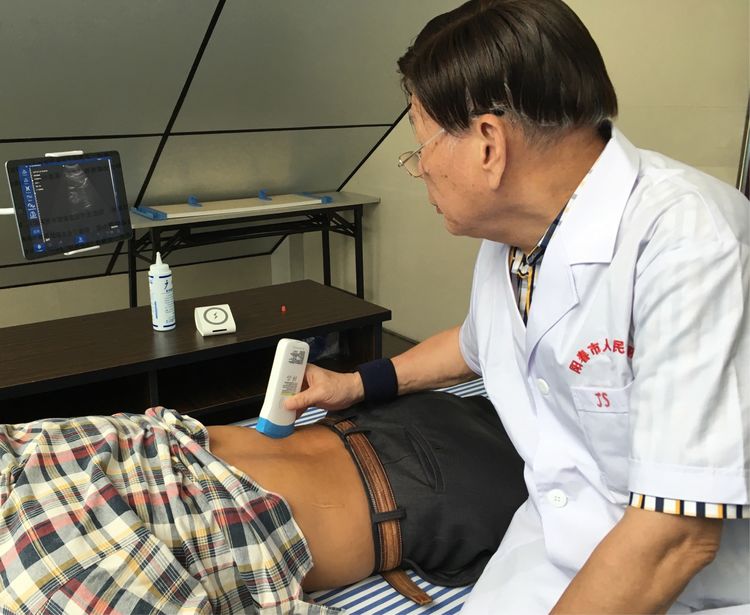
Primary care facilities: Enables rapid common disease screening and vascular localization procedures, improves primary care service capacity, reduces unnecessary upward referrals and relieves admission pressure at higher-level hospitals.
Emergency and critical care settings: Supports rapid bedside emergency screening for conditions such as body cavity effusion and FAST trauma assessment, saving time for resuscitation and avoiding risks associated with patient transport.
Mobile physical examination and public health outreach: Portable devices can be quickly deployed at temporary sites to conduct examinations, expanding the coverage of ultrasound services to underserved areas such as remote regions and elderly care facilities.
Specialty interventional procedures: Provides real-time visual guidance for procedures including anesthesia nerve blocks, dialysis fistula assessment and PICC catheter placement guidance, improving procedural success rates and safety.
5. Objective Perspective: Application Boundaries and Limitations of Handheld Ultrasound
6. Industry Representative Practice: Sonostar’s Portable Ultrasound Technology Portfolio
Guangzhou Sonostar is a domestic handheld ultrasound manufacturer specialized in R&D and manufacturing of portable ultrasound systems. The company has been deeply engaged in the portable ultrasound field since 2011, and is one of the earliest domestic manufacturers to develop wireless probe-type handheld ultrasound.

Its product portfolio covers a full range of devices including wireless probe-type handheld color Doppler ultrasound and 3D/4D stereoscopic imaging handheld ultrasound, with a complete probe matrix of convex array, linear array, 3-in-1 hybrid and intracavitary probes. The products feature replaceable battery designs and adapt to multiple scenarios including primary care, emergency care, anesthesiology and physical examination. Sonostar products are exported to more than 100 countries worldwide, with extensive deployment cases in medical institutions. The company provides one-stop services from equipment supply to operational training, supporting medical institutions at all levels in implementing multi-scenario ultrasound examinations.

Conclusion
Portable imaging represents a clear development direction for ultrasound equipment. With the advantages of miniaturization, wireless connectivity and ease of operation, handheld ultrasound fills the service gap left by traditional fixed ultrasound systems, and delivers proven clinical value in primary care, bedside emergency care and mobile physical examination scenarios. For medical institutions, the key is to select handheld ultrasound manufacturers with mature technology, complete probe portfolios and supporting services based on their own scenario requirements, in order to fully realize the practical value of portable imaging.
For detailed product specifications, department-specific deployment solutions and quotations of full-series handheld ultrasound systems, please contact us for technical documentation and free selection recommendations.
Disclaimer: This article is for technical popularization of the medical device industry only and does not constitute procurement advice. Medical equipment configuration shall be subject to official registration certificates, prototype testing and professional in-hospital evaluation.




 Home
Home Product
 News
News Contact